01
Autonomous operation
Navigation, guidance and fault handling without a crew in the loop.
Design objective
A future network of autonomous reusable transporters connecting Earth orbit, the Moon, and eventually Mars.
Space transportation today is largely mission-by-mission: a new vehicle, a new architecture and a new operations campaign for every payload. SpaceOro explores the opposite premise — a persistent transportation layer that routes cargo between fixed orbital destinations, again and again.
Close that loop enough times and the individual flight stops being the product. The network becomes the product.
As humanity moves from exploration to commercial activity, every new space industry will need transportation, logistics and infrastructure.
Lunar logistics, surface infrastructure, habitats, resources and continuous commercial operations.
Access to water, volatiles and high-value metals that could become the raw materials of a space-based economy.
A new premium transportation market connecting people to orbit, the Moon and eventually destinations beyond.
The first long-distance interplanetary transportation network supporting crews, cargo, infrastructure and permanent settlement.
The opportunity is not simply to reach these markets.
It is to own the transportation layer that connects them.
SpaceOro is positioning itself at the center of the emerging space economy.
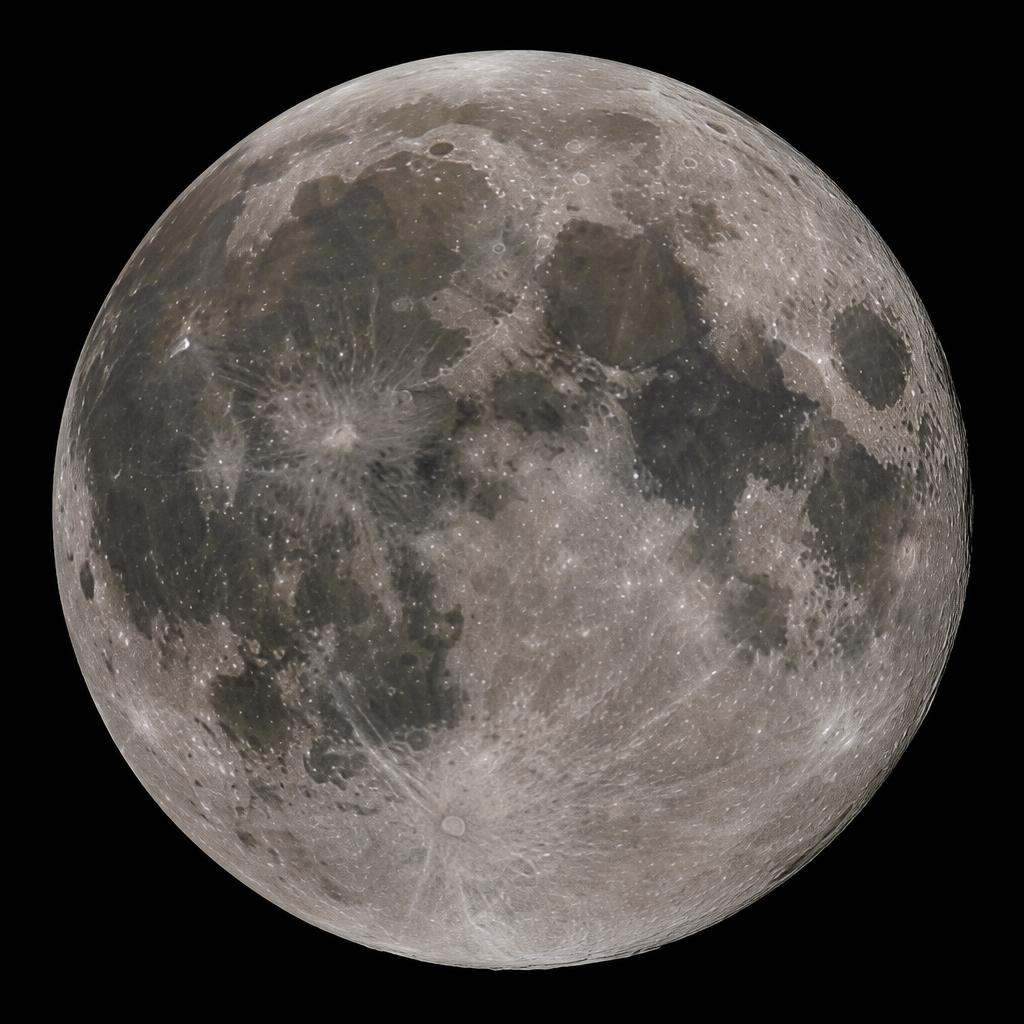
The Moon is the first major transportation node. Mars is a later expansion of the same architecture, not a parallel programme.
These are design objectives for a future vehicle architecture. None of them are built or demonstrated capabilities today.
Navigation, guidance and fault handling without a crew in the loop.
Docking with orbital infrastructure at both ends of the route.
Standardised payload carriers rather than bespoke mission hardware.
A vehicle designed for many transfers, not a single flight.
Propellant and maintenance where infrastructure permits.
Coming back to the departure node ready for the next assignment.
Finding the best landing sites. Mapping lunar ice. Surveying terrain. Identifying resources. Preparing the next generation of lunar surface missions.
Terrain-ranked candidate zones
Polar cold-trap surveys
Regolith & volatile targets
Full mission cycle: translunar injection, lunar orbit operations, trans-Earth injection and arrival back at the Earth node.
Later expansion of the same architecture, flown on interplanetary transfer arcs rather than translunar ones.
* Dependent on orbital geometry at departure — transfer duration varies with the launch window, phase angle and synodic alignment of the departure and arrival orbits.
The architecture is developed through trajectory modelling and mission analysis rather than renderings alone.
SpaceOro explores what that infrastructure could become.